
Mandatory Waste Separation
Waste separation is mandatory in
Malta and Gozo as from 14 April 2023.
Everyone has to properly separate their waste and dispose of it in the
right bins, including business, governmental and non-governmental entities as
well as private homes.
By separating your waste, you are reducing the need for new landfills,
increasing recycling of materials and helping to generate renewable energy, for
a greener, cleaner environment and a better quality of life in Malta and Gozo.
Separate waste – your contribution for a sustainable future!
How to separate your waste
- Aluminium trays & foil (clean)
- Beverage cans
- Cardboard
- Carton food boxes (clean)
- Cooking oil bottles
- Cosmetic containers (clean)
- Detergent bottles (empty container)
- Detergent boxes
- Food cans
- Jar lids
- Liquid soap container (empty)
- Magazines
- Plastic bottles
- Margarine tubs (clean)
- Metal caps
- Milk and Juice cartons
- Newspapers
- Notebooks
- Paper
- Paper bags (clean)
- Plastic bags (clean)
- Plastic caps
- Plastic containers
- Plastic food packets
- Plastic bottles
- Shampoo bottles (empty)
- Shower gel bottles (empty)
- Spray cans (empty)
- Take-away boxes (clean)
- Toilet paper rolls
- Toiletries (clean containers)
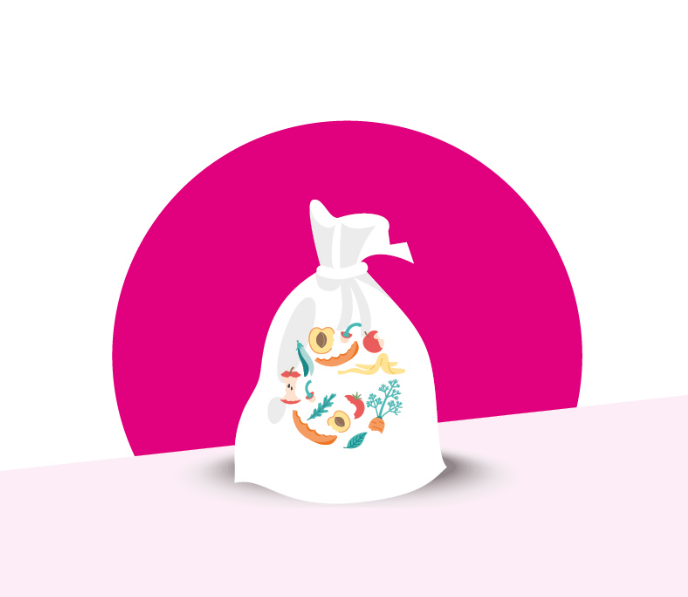
- Cheese
- Coffee
- Cooked food
- Leftovers
- Cooked or raw meat
- Dairy products
- Egg and egg shells
- Expired food (without packaging)
- Fish
- Flowers
- Fruit & vegetable peels
- Honey
- Leaves
- Pasta
- Raw food
- Rotten fruit & vegetables
- Soiled newspapers
- Soiled napkins
- Sugar
- Tea bags
- Tea leaves
- Spreads (e.g. honey and butter)
- Nut shells
- Seafood shells
- Fish and meat bones
- Fruit stones
- Adhesive tape
- Soiled aluminium foil
- Baking paper
- Broken ceramics/pyrex
- Dirty food wrappers
- Cellophane tape
- Dirty-take away boxes
- Foil coated packets
- Dust
- Polystyrene
- Labels
- Photographs
- Plant pots
- Used sponges
- Sanitary items
- Shoes
- Hair (human & animal)
- Small broken mirrors
- Stickers
- Toothpaste tubes
- Used cleaning materials
- Used rubber gloves
- Used floor cloths
- Wax paper
- Wet wipes
- Cigarette butts & ashes
- Candles
- CDs
- Snack packets
- Toothpicks
- Ice lolly sticks and wooden skewers
- Twigs
- Sanitary Items
- Animal waste and pet litter
- Nappies
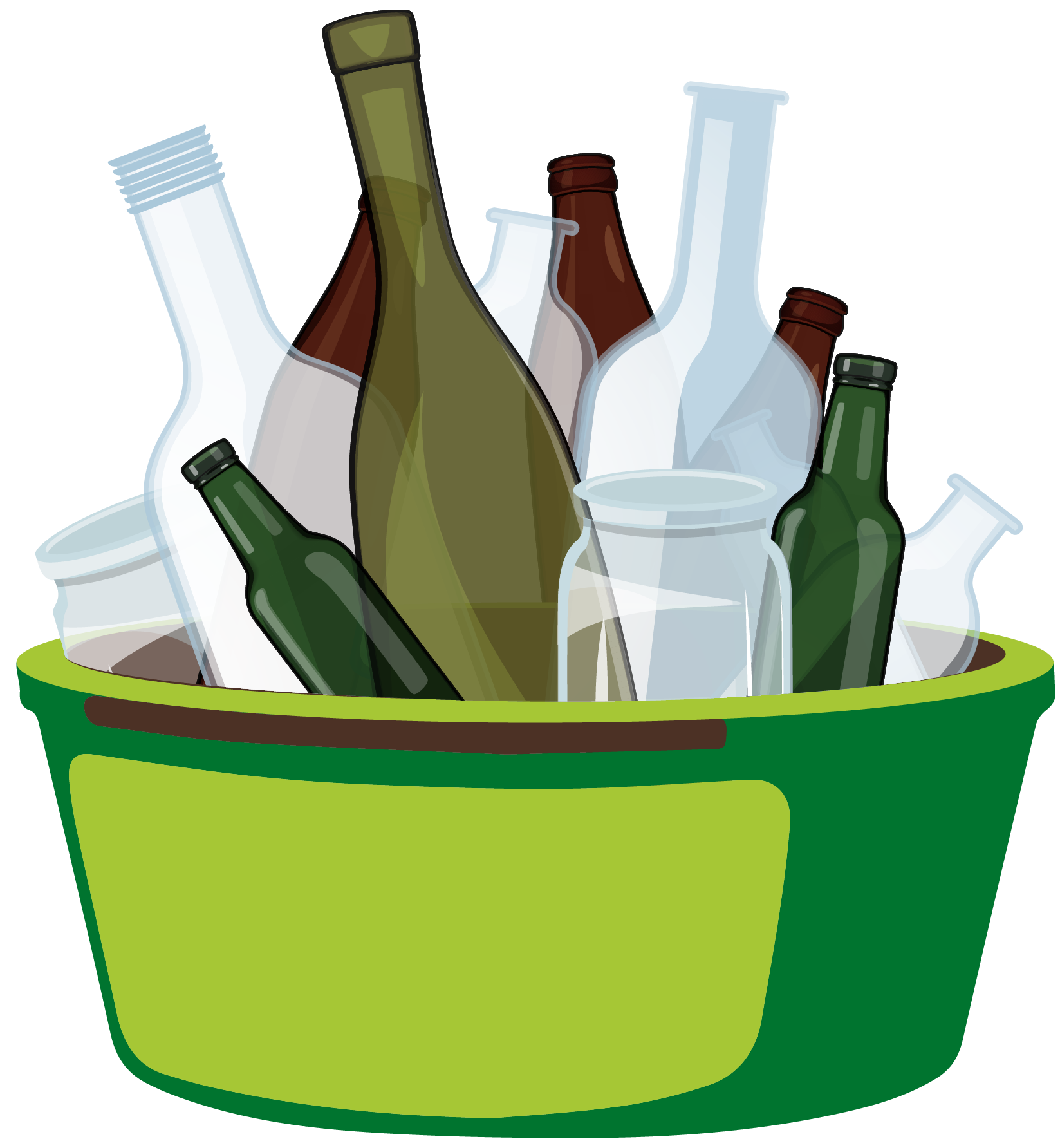
- Glass bottles
- Glass jar
Dispose of your glass properly. For kerbside collection, it is important to take out your glass in a reusable container. Residents can also make use of one of WasteServ’s Civic Amenity sites, one of the various Bring-In Sites, or iBiNs, or our Roadshow Truck when visiting your locality.
Bulky Waste
The bulky waste collection service is free of charge to all households. This includes items that are too big for normal household waste. To get rid of your bulky waste, you can either contact your own Local Council for a collection appointment, or else or take it to one of the Civic Amenity Sites.
Hazardous Waste
Disposal of hazardous waste must be carried out in an environmentally safe way. It must be taken to one of the Civic Amenity Sites. Hazardous waste includes waste such as:
- Chemicals (including empty chemical containers)
- Paint (including empty paint containers)
- Lubricating oils
- Solvents
- Batteries
- Spent light bulbs*
* Can also be disposed of at the WasteServ Roadshow truck.
Medicine
You can drop off your old, used, unwanted, expired medicine at an authorised pharmacy. Here, you can dispose of loose or packaged tablets and capsules, bottled medicines, inhalers and medicinal cream tubes.
Never take any biohazardous items such as syringes and EpiPen devices to a pharmacy. These must be disposed of in special sharps disposal containers and taken to one of the Civic Amenity sites.
Commercial Waste
WasteServ provides commercial entities with the necessary services to dispose of their waste safely which is offered against payment, upon request.
Different waste disposal procedures need to be followed by commercial entities depending on the type of waste and the quantities involved. For this reason, you are kindly requested to contact Wasteserv for more information:
- Send an email to wao.ws@wsm.com.mt or;
- Complete the online waste inquiry form or;
- Call on the freephone (8007 2200)
For more information on waste separation, you can also visit WasteServ’s website by clicking HERE or download the Waste Separation Guide HERE
Reuse Centres
Reuse Centres offer used and ‘pre-loved’ items that still hold value and can be given another ‘life’.
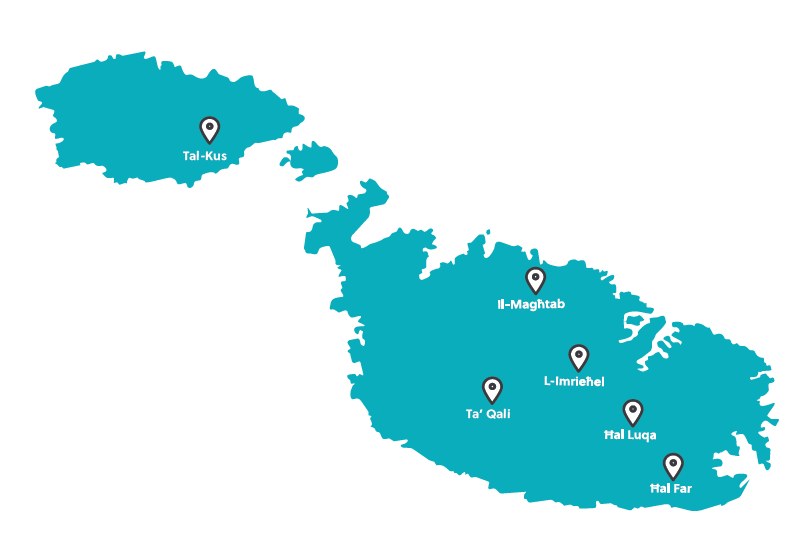
You can donate unwanted items that are still in good condition by taking them at a Reuse Centre which are located within the Civic Amenity Sites of Luqa, Ħal Far, Mrieħel and Tal-Kus in Xewkija, Gozo.
Access to the Reuse Centres is possible on foot. There are passageways having a separate entrance from that of the Civic Amenity Site to make the Reuse Centres safe and accessible to prams, strollers and people with mobility issues, including wheelchairs.
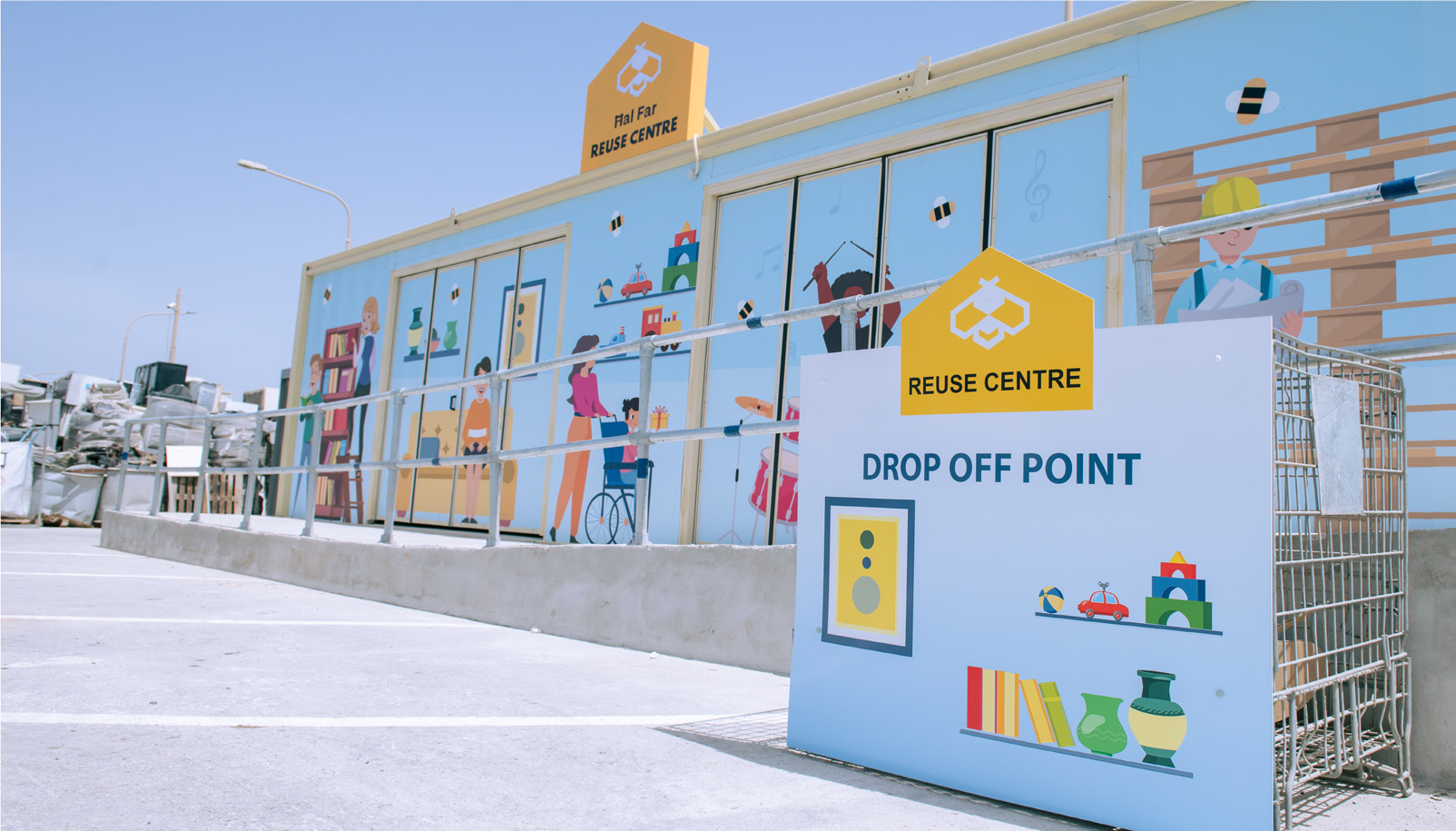
Items that you can donate and are acceptd at WasteServ’s Reuse Centres include:
- Wood
- Loose Furniture
- Books
- Ceramics
- Faucets
- Textiles
- Toys
- Musical Instruments
- Home décor accessories
- Pet supplies
- Mirrors
Items such as the following are not accepted:
- Batteries
- Car tyres
- Safety equipment
- Baby equipment, including child car seats and prams
- Gas cylinders
- Medical equipment
- Waste electrical and electronic equipment and parts
- Ladders
- Paints, chemicals, and other hazardous waste
Opening hours:
Monday to Sunday, including public holidays, between 07:30 and 17:30 (excluding Christmas Day and New Year’s Day).
Roadshow Trucks
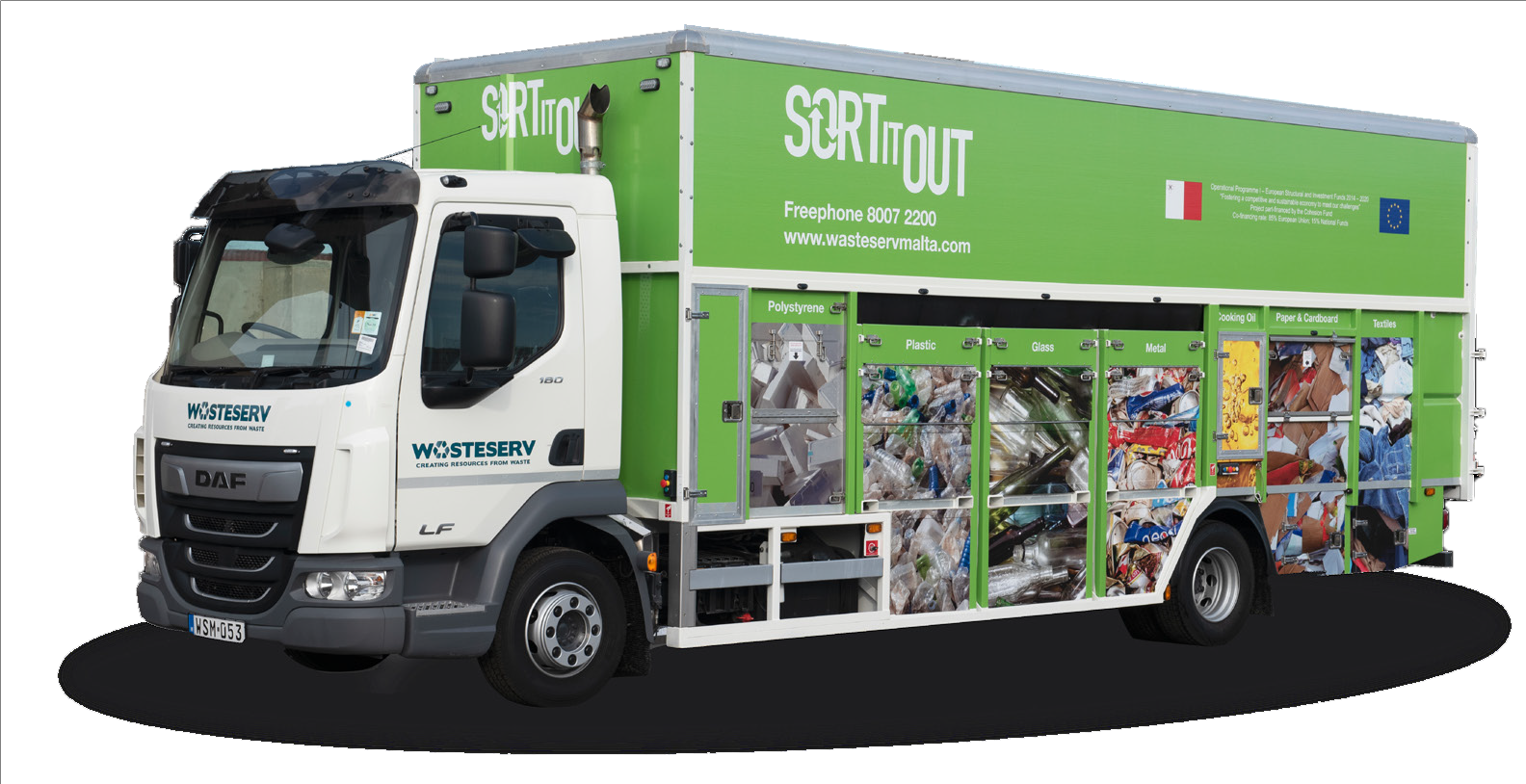
WasteServ’s Roadshow Trucks are visiting all localities to make it easier for you to dispose of your waste with care and attention, protecting you and the environment in the process.
Items collected include:
- Clothes
- Plastic
- Metal
- Cooking oil
- Light bulbs & neon tubes
- Glass jars & bottles
- Paper & cardboard
- Household batteries
- Bags & shoes
- Polystyrene
- Pots & pans
- Small electronic devices
- Paints & solvents
- Aerosol sprays
This initiative also helps to reduce the contamination of recyclable waste, since the Roadshow Trucks have separate compartments for each of the waste streams. The exact dates and locations of the truck visits can be confirmed through your Local Council or by visiting WasteServ’s website.
Civic Amenity Sites
Civic Amenity sites are facilities where the public can bring and discard various types of bulky household waste, domestic hazardous waste as well as recyclable materials.
Entry to a Civic Amenity Site is only permitted with a vehicle. Different levels of access are applied depending on the category of your vehicle.
Acceptable items include household waste only. For more information on acceptable items, visit WasteServ’s website.
Opening hours:
Civic Amenity Sites are open from Monday to Sunday, including public holidays, between 07:30 and 17:30 (excluding Christmas Day and New Year’s Day).
National Waste Collection Schedule
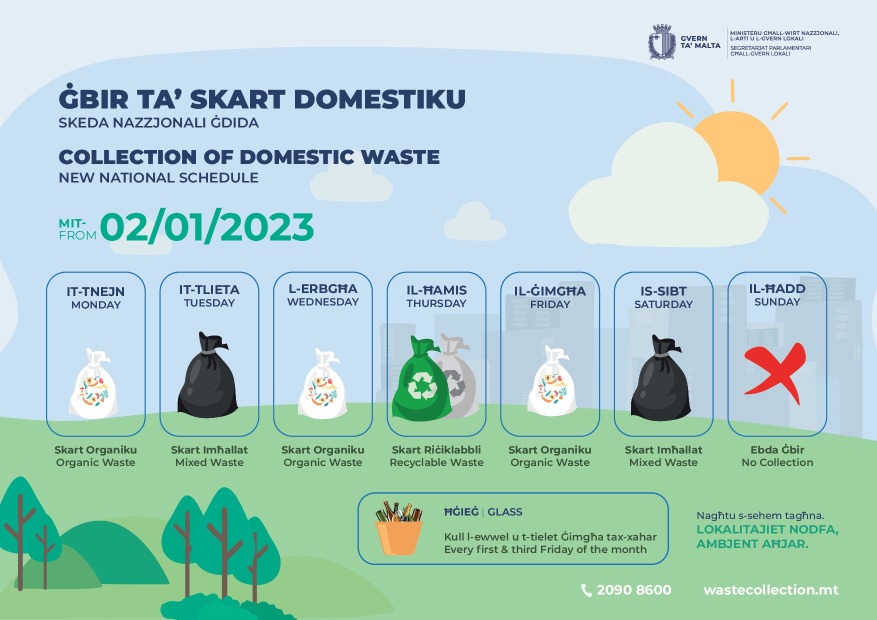
A new national waste collection schedule has been drawn up to streamline door-to-door waste collection around Malta and Gozo in line with what was established in the National Plan on Waste Management.
The schedule will be as follows:
Monday: Organic waste (white bag)
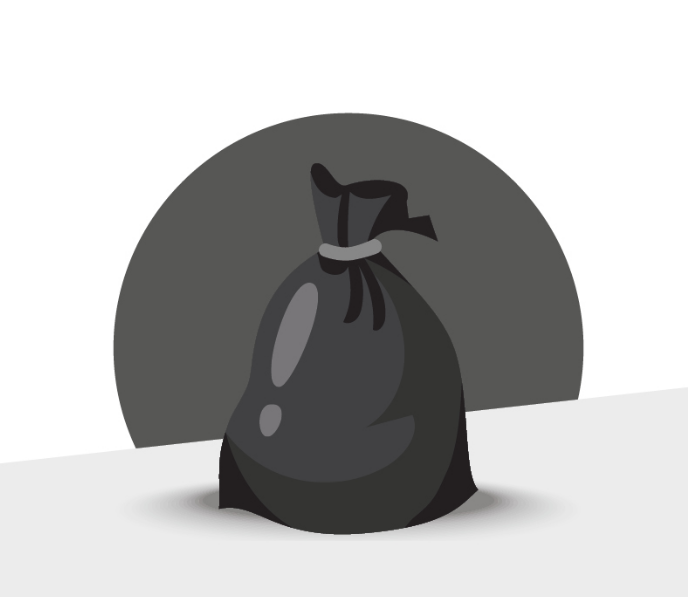
Tuesday: Mixed waste (black bag)
Wednesday: Organic waste only (white bag)
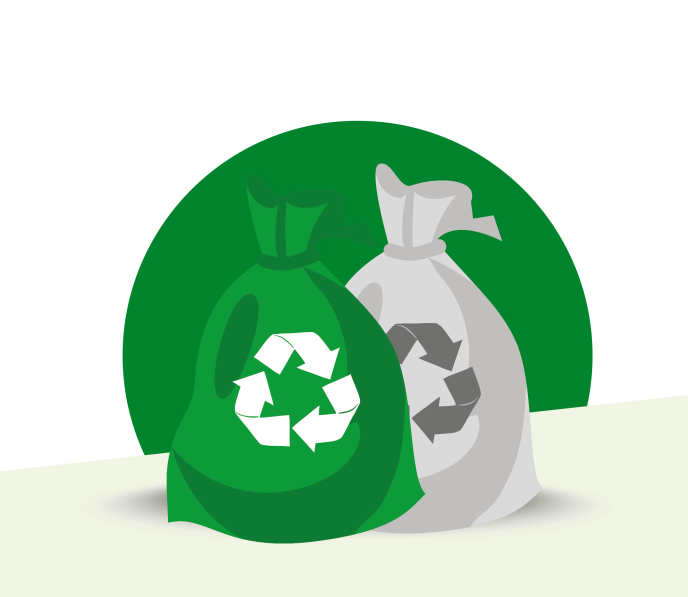
Thursday: Recycled waste (Grey or green bag)
Friday: Organic waste (white bag)
Saturday: Mixed waste (black bag)
The collection of glass bottles will be carried out on every first and third Friday of the month.
More information on the new schedule will be disseminated to residents from their respective councils.
This Schedule, will not have any effect on those commercial entities who have alternative arrangements for their collection of Waste.
Collection Times

The collection times timetable is only for kerbside collection of waste, that is, for domestic waste.
Fines
Between April and October 2023, the authorities are conducting an educational campaign to familiarise the public with the new mandatory waste separation regulations. During this period, persons (even those operating within the context of a commercial activity) caught disposing of waste inappropriately will receive a warning. After the lapse of these six months, as of 14 October 2023, businesses caught disposing of waste inadequately will be fined €75, while households will be fined €25. These fines will double to €150 and €50 respectively if the individual is caught repeatedly disposing of waste inappropriately.
| Fines for not separating waste | ||
|---|---|---|
| 1st offence | 2nd offence | |
| Commercial sector | €75 | €150 |
| Non-commercial sector/Households | €25 | €50 |
ERA officials and officials from other entities will be carrying out continuous inspections in all localities, for both domestic and commercial activities, to ensure that the waste that is being deposited for door-to-door collection is separated in line with the regulations, in the appropriate bags taken out on the correct days.
Tips
Tips to reduce waste generation (bonus points of saving money as well):
- Buy products without plastic packaging
- Purchase durable, longer-lasting goods
- Buy less stuff
- Get a lunch box and reusable drink container
- Use baskets and fabric shopping bags
- Exchange, swap, borrow, and repair items
FAQs
Waste separation includes the collection and recycling of different types of waste. It is a crucial part of waste management that helps to reduce the amount of waste that ends up in landfills and incinerators. When we separate our waste into recyclables and bio-waste, we can reduce the amount of residual waste that goes to landfill, prevent pollution, conserve raw materials and reduce greenhouse gas emissions.
Proper waste separation also helps to ensure that materials are treated appropriately. When non-recyclable or contaminated materials are mixed in with recyclables or organic waste, it can lead to contamination of the entire stream, making it more difficult and expensive to recycle or compost those materials.
Proper waste disposal is everyone’s business since the natural environment is for all to enjoy.
Materials that are sent to the landfill are typically buried and left to decompose over time. However, this process can generate greenhouse gases, such as methane, which when released into the atmosphere, can trap heat and contribute to global warming and climate change.
Apart from methane, other pollutant gases can also be emitted – such as volatile organic compounds (VOCs) and hazardous air pollutants (HAPs). These pollutants can have negative effects on local air quality, potentially leading to respiratory issues and other health concerns for nearby communities.
These emitted gases can also contribute to unpleasant odours in the surrounding area which can be a nuisance to nearby residents, impacting their quality of life.
Materials that are sent for recycling are typically sorted, cleaned and processed into new products. For example, recycled paper may be turned into new paper products, while recycled plastic may be used to make new plastic bottles or containers.